The Complete Guide to the RV Lifestyle
How to Start, Plan, and Enjoy RV Travel Across America
There is something magical about waking up in a new place with your home parked right outside the door.
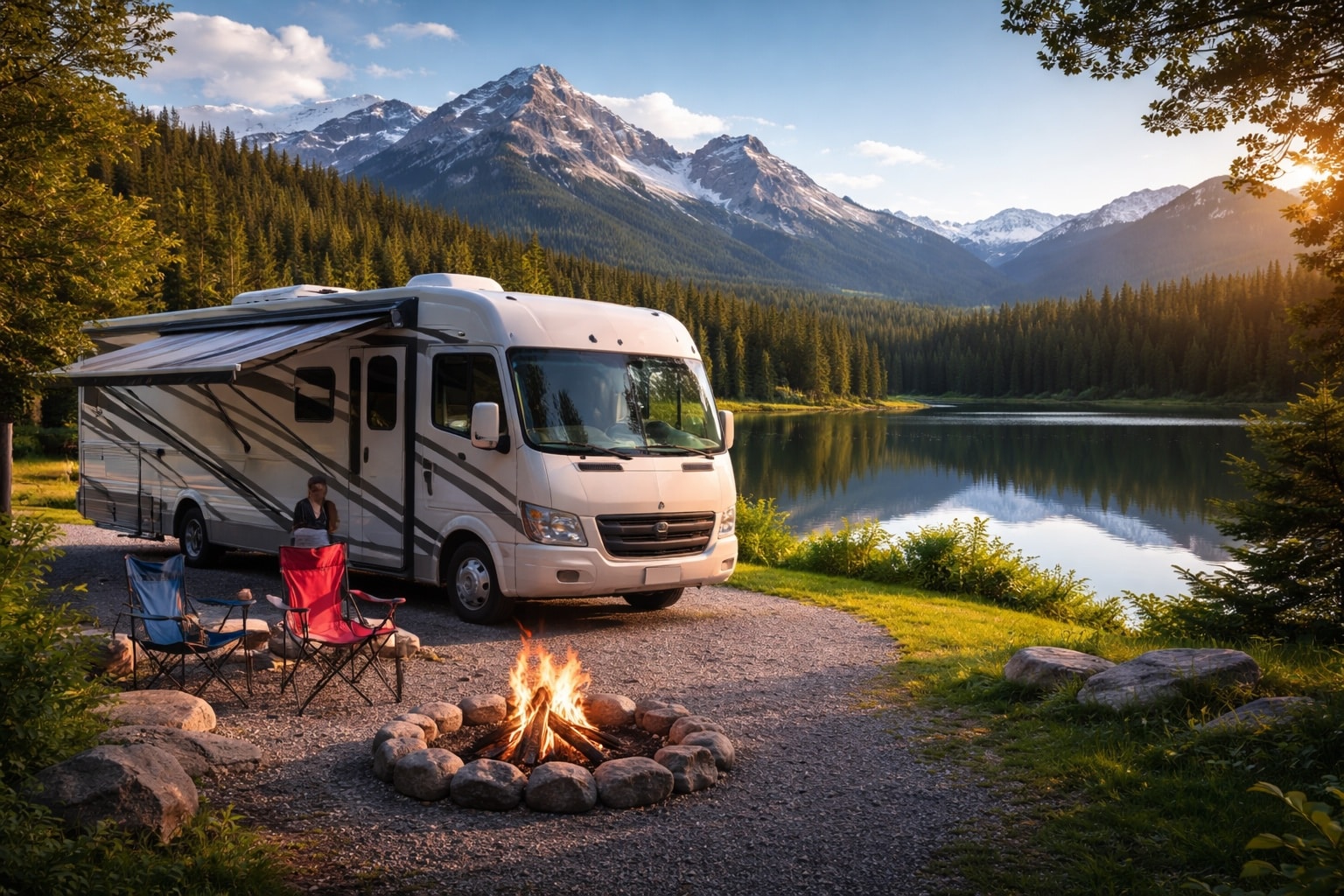
Maybe it's a quiet forest campground. Maybe it's a lakefront sunrise. Maybe it's the desert sky filled with stars.
That sense of freedom is what draws so many people to the RV lifestyle. That's the way it was for Jennifer and me 15 years ago when we began our RV Lifestyle adventure in a used Roadtrek campervan (to read the full story of how we came to embrace the RV Lifestyle, click here). It's been an awesome ride ever since.

For us, RV travel started as a way to explore more of America. We were empty nesters. I had just left a long career in journalism, and wanted to get on the road and meet the real America, to reconnect with my wife and take our journalism background (Jennifer was a TV producer) on the road, sharing our discoveries on what was then a new medium – the Internet.
Over the years, it has grown into something much bigger. It's become a lifestyle built around adventure, community, and the joy of discovering new places.
If you're curious about RV travel or dreaming about hitting the road yourself, this guide will walk you through everything you need to know.
We will cover:
• how to start RVing
• choosing the right RV
• planning trips
• finding great campgrounds
• understanding costs
• avoiding beginner mistakes
Along the way we will also point you to helpful resources we have created after more than 15 years of RV travel. So let's start with the basics and build from there.
What Is the RV Lifestyle?
The RV lifestyle is a way of traveling that allows you to explore the country while bringing your home with you. Instead of flying to destinations and staying in hotels, RV travelers drive their motorhome or towable RV from place to place, staying in campgrounds, parks, and scenic locations along the way.
Many people begin RV travel with short weekend trips and gradually expand into longer adventures across the country. Others choose to travel seasonally or even live full-time on the road.
The appeal of the RV lifestyle comes from the freedom it offers. You can travel at your own pace, wake up in beautiful places, and experience destinations more deeply than traditional travel often allows.
Whether you're visiting national parks, driving historic highways like Route 66, or relaxing beside a quiet lake, the RV lifestyle turns the journey itself into part of the adventure.
Why the RV Lifestyle Is So Popular
The very first thing Jennifer and I learned in those early years was that RV travel offers something modern life often lacks: freedom.
You choose where to go, how fast to travel, and how long to stay. One day you might be exploring a national park. The next day you could be relaxing beside a quiet lake.
Unlike traditional travel where you're rushing between airports and hotels, RV travel slows life down in the best possible way.
It also reconnects people with nature. Many RVers say their favorite part of the lifestyle is waking up surrounded by forests, mountains, beaches, and open landscapes.
And perhaps most surprisingly, RV travel creates community.
One of the most surprising things people discover about the RV lifestyle is how welcoming and helpful other RVers are.
Spend even a few days in a campground and you will likely see it firsthand. Someone helping a neighbor back into a campsite. Another camper lending a tool. People sharing tips about the best scenic route nearby or recommending a great local restaurant.
RVers look out for one another.
Over the years we have made countless friends simply by pulling into a campground and saying hello. Some of those friendships have lasted for years and continue as we cross paths again and again on the road.
That same spirit of community is what inspired us to create RVCommunity.com, our private ad-free online gathering place where RVers connect, share advice, ask questions, and help each other make the most of life on the road.
Inside the community you will find travelers from every stage of the RV journey. Some are brand new and looking for guidance about their first trip. Others are seasoned road veterans who love sharing their experience and helping newcomers avoid common mistakes.
It is a place where you can ask a question about a campground, get trip planning advice, share photos from your latest adventure, or simply connect with people who understand the joy of RV travel.
Unlike social media, our community is focused entirely on the RV lifestyle. There are no ads, no algorithms, and none of the negativity that often shows up on public forums. Just friendly RVers helping each other enjoy the road.
I can write lots of words explaining why the RV Lifestyle is so rewarding from a personal standpoint, but, honestly, if you want to experience the RV lifestyle the way it was meant to be experienced, surrounded by people who share your passion for travel and adventure, we invite you to take a look at RVCommunity.com.
You may come for the advice, but chances are you will stay for the friendships.
And if that's not something you want to do, another way to get a realistic idea of what the RV Lifestyle is really like is to listen to the Stories from the Road that we share on our RV Podcast. We have done almost 600 episodes so far and the real life conversations are filled with interviews, travel stories, and RV tips from the road
How to Start the RV Lifestyle
How to Start the RV Lifestyle
Starting the RV lifestyle can feel both exciting and overwhelming. The idea of traveling with your home on wheels is incredibly appealing, but many people aren't sure where to begin.
The good news is that getting started is much simpler than most people think.
You don't need to sell your house, quit your job, or commit to living on the road full-time. Many RVers begin with short weekend trips or a few longer vacations each year. Over time, as they gain confidence and experience, those trips often grow into bigger adventures.
The key is to start small and build your knowledge along the way.
Example: The Weekend Explorer
One of the easiest ways to start the RV lifestyle is simply by becoming a weekend explorer.
We often meet couples in campgrounds who keep their RV parked at home most of the year but take it out once or twice a month during the travel season.
Maybe they leave on a Friday afternoon, drive a couple of hours to a nearby state park, and spend the weekend hiking, kayaking, or simply relaxing around a campfire.
By Sunday afternoon they head home feeling like they've had a true getaway, without ever needing to board a plane or book a hotel.
For many people, this kind of short-trip travel becomes the gateway into the RV lifestyle.
Example: The Seasonal Traveler
Other RVers take a more seasonal approach.
Instead of frequent short trips, they plan two or three longer journeys each year.
We have friends who spend several weeks each fall exploring the Blue Ridge Mountains, timing their travels to catch the spectacular autumn colors.
Another couple we know spends a month every winter traveling through Florida, moving slowly from campground to campground while enjoying warm weather and coastal scenery.
This type of travel works especially well for retirees or empty nesters who have more flexibility in their schedules.
Example: The Bucket List Explorer
Then there are the travelers who have a specific dream trip in mind.
Perhaps they've always wanted to drive historic Route 66, visit the national parks of the American West, or explore the rugged beauty of the Pacific Northwest.
RV travel makes these kinds of adventures easier because your accommodations travel with you.
Instead of packing and unpacking at a different hotel every night, your home moves right along with you.
Many RVers start with one of these bucket-list trips and discover along the way that the journey itself becomes just as memorable as the destination.
Example: The “Try It First” Approach
Some people aren't ready to buy an RV right away, and that's perfectly fine.
A growing number of travelers start by renting an RV for their first trip.
Renting gives you the chance to experience RV travel without the commitment of ownership. You learn how the systems work, what size RV feels comfortable, and what features matter most to you.
After a few trips, many renters feel much more confident about choosing the right RV if they decide to purchase one.
Example: Learning the Basics at a Campground
Another great way to build confidence is by choosing a beginner-friendly campground for your first trip.
Many campgrounds offer pull-through sites that make parking easier for newcomers.
Campground hosts and fellow RVers are often happy to help if you have questions about hookups or setting up your campsite.
It's not unusual for a neighboring camper to walk over and offer advice or lend a hand if you need it. That spirit of helpfulness is one of the things that makes the RV community so special.
Example: Why Watching RV Tours Helps
Many first-time RV buyers are surprised by how different RV floorplans can be.
Some layouts focus on large kitchens for travelers who love cooking. Others emphasize comfortable seating areas for relaxing evenings inside the RV.
Watching RV walkthrough videos can help you quickly understand what feels comfortable for your lifestyle.
On our RV Lifestyle YouTube Channel, we often hear from viewers who say that watching tours helped them narrow their choices before ever stepping into a dealership.
Seeing how RVs work in real-world situations makes the buying process much easier.
Our First RV Trip Wasn't Perfect, and That Was the Point
We still remember our first RV trip vividly, mostly because we had no idea what we were doing.
We double-checked everything, packed far too much gear, and spent the first hour at the campground figuring out which hose connected to what.
At one point we were convinced something wasn't working with the water hookup, until a friendly neighbor wandered over, smiled, and said, “Mind if I take a look?”
Five minutes later everything was working and we had made our first campground friend.
That moment taught us something important. RV travel isn't about doing everything perfectly. It's about learning as you go and enjoying the experience along the way.
The RV lifestyle doesn't require a giant leap. Most people discover it one trip at a time. A weekend here, a longer adventure there, and before long they realize the road has opened up an entirely new way to travel.
Decide What Kind of RV Travel Appeals to You
Before you even start shopping for an RV, spend some time thinking about how you want to travel.
Some people dream about long cross-country adventures, visiting national parks and scenic highways. Others prefer relaxing seasonal trips to favorite campgrounds near lakes or mountains.
There are RVers who travel full-time, moving every week or two. And there are others who simply enjoy extended vacations exploring new parts of the country.
None of these approaches is right or wrong. The RV lifestyle is flexible enough to match your interests, schedule, and comfort level.
Understanding the kind of travel you want will make it much easier to choose the right RV and plan your first trips.
Learn the Basics Before You Buy
One mistake many beginners make is rushing into buying an RV without first learning how RV travel works.
Spend a little time researching.
Learn about RV tours.
Learn about campground setups.
Understand how hookups and basic RV systems operate.
There are many ways to do this. Visiting RV shows, touring dealerships, or watching detailed walkthroughs online can help you understand the differences between various RV types and floorplans.
On our RV Lifestyle YouTube Channel, we have dozens of RV tours and beginner guides that show exactly how different RVs work and what life on the road is really like. Sometimes, seeing is believing.
But perhaps the best source is right here, on this website. We like to think of RVLifestyle.com as “the Google of the RV Lifestyle.” Seriously, type in any question on the RV Lifestyle on the magnifying glass search bar at the top of the page, and you will instantly get dozens of helpful articles we have written on the topic over the years.
Choosing the Right RV

One of the biggest decisions new travelers face when starting the RV lifestyle is choosing the right RV.
At first, the choices can seem overwhelming. Walk through an RV dealership or attend an RV show and you'll quickly see everything from small camper vans to large motorhomes that look more like luxury apartments on wheels.
The good news is that there isn't one perfect RV for everyone. The best RV for you depends on how you plan to travel, where you want to go, and what level of comfort you prefer on the road.
Understanding the different types of RVs is the first step.
Motorhomes: Your Home and Vehicle in One
Motorhomes combine the vehicle and the living space into a single unit. You simply get in, start the engine, and drive to your destination.
For many people, this makes travel simpler because there is no towing involved.
Motorhomes come in three main categories.
Class A motorhomes are the largest and most spacious RVs on the road. They often resemble buses and provide the most living space, storage, and residential-style amenities.
Inside you may find large kitchens, spacious bathrooms, comfortable living areas, and plenty of room to relax.
These RVs are popular with travelers who spend extended time on the road or enjoy the comfort of a larger living space.
Because of their size, they are best suited for established campgrounds and RV parks with larger sites.
Class B motorhomes, often called camper vans, are the smallest motorized RVs.
They are built on van chassis and are incredibly easy to drive and maneuver. In fact, many people say driving a camper van feels very similar to driving a large SUV.
Their compact size makes them ideal for travelers who want flexibility and the ability to explore smaller roads and campgrounds.
Camper vans are especially popular with couples who value simplicity, mobility, and the ability to travel almost anywhere. That's how Jennifer and I started. With a used Class B.
Class C motorhomes fall somewhere in the middle between large Class A motorhomes and smaller camper vans.
They are easily recognized by the sleeping area that extends over the cab of the vehicle.
Class C RVs provide a comfortable amount of living space while still being relatively manageable to drive.
For many first-time RV buyers, Class C motorhomes offer a nice balance of comfort, practicality, and affordability.
Towable RVs: Travel Trailers and Fifth Wheels
Towable RVs are another very popular option.
Instead of being driven, these RVs are pulled behind a vehicle such as a truck or SUV.
One advantage of towable RVs is that once you arrive at your campground, you can disconnect the trailer and use your tow vehicle to explore nearby towns, parks, and attractions.
Two of the most common types are travel trailers and fifth wheels.
Travel Trailers
Travel trailers come in a wide range of sizes and floorplans. Some are small and lightweight enough to be towed by SUVs, while larger models require pickup trucks.
They offer a lot of flexibility and are often one of the most affordable ways to start RV travel.
Fifth Wheels
Fifth wheels are larger towable RVs that connect to a special hitch mounted in the bed of a pickup truck.
Because of their design, fifth wheels often provide more interior space and higher ceilings than many travel trailers.
They are popular with travelers who want a spacious living area and plan to spend longer periods in one place.
Matching the RV to Your Travel Style
The best RV for you ultimately comes down to how you plan to travel.
Couples who enjoy moving frequently and exploring different destinations may appreciate the mobility and convenience of a camper van or smaller motorhome.
Travelers who enjoy longer stays in one campground might prefer the extra space of a larger motorhome or fifth wheel.
Families traveling with children often benefit from RVs that offer multiple sleeping areas and plenty of storage.
There is no single right answer. The goal is to find an RV that fits your lifestyle and makes travel enjoyable.
See RVs in Person Before You Buy
Before making a purchase, it is extremely helpful to see RVs in person.
RV shows and dealerships allow you to walk through different models, sit in the living areas, explore the kitchens and bathrooms, and imagine what life inside the RV might feel like.
Floorplan is often more important than size. The way an RV is laid out can dramatically affect how comfortable it feels during travel.
If possible, spend time exploring several different types before making your decision.
Seeing RVs up close often makes it much easier to determine what will work best for your style of travel.
A Helpful Way to Learn More
Another great way to learn about different RVs is by watching walkthrough tours.
Over the 15 years we have been doing this, we have done factory tours on how the various RVs are built, walk-through tours, and reviews on every class of RV, and on-the-road real use videos. We organized many into YouTube playlists. If you want a thorough education in RVs, how they work, what they look like, and the differences between them, browse through our videos at https://www.youtube.com/@RVLifestyle/playlists
How to Plan an RV Trip

Trip planning is one of the most enjoyable parts of the RV lifestyle. For many travelers, the adventure actually begins long before the engine starts.
Unlike traditional travel where you simply book flights and hotels, RV travel involves mapping out routes, choosing overnight stops, and deciding how quickly or slowly you want to move. The beauty of RV travel is that it allows you to design a journey that fits your interests, your schedule, and your pace.
Some travelers love to cover a lot of ground and see many places in a short time. Others prefer a slower approach, spending several days in each location and really getting to know the area.
Finding the right balance between travel days and exploration days is one of the keys to successful RV trip planning.
Start With a Destination That Inspires You
Every great RV trip usually begins with a place you've always wanted to see.
Maybe it's one of America's spectacular national parks. Perhaps it's a scenic drive along the Pacific Coast Highway or the historic stretch of Route 66. For others, it might simply be a peaceful campground beside a lake or deep in the mountains.
Choosing a destination that excites you gives your trip a sense of purpose and direction. From there, you can begin mapping the journey that will take you there.
One of the wonderful things about RV travel is that the journey itself often becomes just as memorable as the destination.
Map the Route, But Stay Flexible
Once you have your destination in mind, the next step is to map your route.
This is where RV travel begins to differ from traditional road trips. Because you are traveling with a larger vehicle and bringing your home with you, the pace of travel naturally slows down.
Instead of driving long distances every day, most experienced RVers prefer shorter travel days that allow time to enjoy the places they visit along the way.
When planning your route, it helps to identify logical overnight stops spaced comfortably apart. Many RV travelers look for campgrounds located near scenic attractions, charming small towns, or natural landmarks worth exploring.
This approach turns travel days into opportunities for discovery rather than simply long drives between destinations.
The 330 Rule: A Simple Way to Travel Comfortably
Over the years we developed a simple guideline that has made our travels far more enjoyable. We call it the 330 Rule.
The idea is straightforward. Try to travel no more than about 330 miles in a day and aim to arrive at your campground by around 3:30 in the afternoon.
This rule helps keep travel days relaxed and manageable.
Driving an RV requires more attention than driving a typical car. After several hours behind the wheel, most people are ready to stretch their legs and settle in for the evening. By limiting your driving distance, you avoid arriving at a campground exhausted or trying to set up camp in the dark.
Arriving earlier in the afternoon also gives you time to enjoy the campground itself. You can take a walk, sit outside and relax, meet fellow campers, or simply enjoy the view from your campsite.
When We Realized Slower Travel Was Better
Early in our RV travels we made the same mistake many beginners make. We tried to pack too much into each trip.
On one particular journey we drove nearly 750 miles in a single day, arriving at our campground just as the sun was setting.
Instead of relaxing and enjoying the evening, we were tired, hungry, and rushing to set up camp before dark.
That experience eventually led us to develop what we now call the 330 Rule.
Ever since then our trips have felt far more relaxed and enjoyable. We spend less time racing down highways and more time actually experiencing the places we visit.
Many RVers tell us that once they adopted the 330 Rule, their trips became far more enjoyable.
So don't learn this lesson the hard way. Embrace it right from the start.
Allow Time for the Unexpected
One of the greatest joys of RV travel is discovering unexpected places along the way.
You might pass a roadside attraction you didn't know existed. A local café might turn out to serve the best pie you've ever tasted. A scenic overlook might inspire you to stop and watch the sunset.
These spontaneous moments often become the stories you remember long after the trip ends.
When planning your route, try to leave some breathing room in your schedule. Avoid packing each day so tightly that you feel rushed to reach the next destination.
The freedom to stop and explore is one of the greatest advantages of traveling by RV.
Choose Campgrounds That Enhance the Experience
Where you stay can shape the entire character of your trip.
Some RVers enjoy the convenience of full-service RV parks that offer hookups, WiFi, and amenities like pools or laundry facilities.
Others prefer quieter settings in state parks or national forests where the campsites are surrounded by nature.
When planning a trip, it helps to research campgrounds along your route and consider what type of experience you want.
If you're visiting national parks or popular destinations, making reservations well in advance is usually a good idea. These locations can fill up quickly, especially during peak travel seasons.
Let the Journey Be the Destination
One of the biggest adjustments new RVers make is learning to slow down.
Traditional travel often focuses on getting somewhere as quickly as possible. RV travel is different. The road itself becomes part of the experience.
The small towns you pass through, the scenic roads you discover, and the campgrounds where you spend the night all become part of the adventure.
Many RV travelers eventually realize that the most memorable moments of a trip often happen between the major destinations they originally planned to visit.
That's why thoughtful trip planning, combined with a willingness to explore along the way, makes RV travel so rewarding.
A Helpful Shortcut for Planning
Planning a great RV trip takes time, especially when you're researching routes, attractions, and campgrounds.
That's one reason we created our RV Lifestyle Travel Guides, which provide carefully planned itineraries with recommended driving distances, overnight stops, and must-see attractions along the way.
Many RVers find that using a guide as a starting point makes trip planning much easier while still allowing plenty of room for their own discoveries.
However you plan your journey, remember that the goal isn't just to reach a destination.
The goal is to enjoy every mile of the adventure.
Finding Great RV Campgrounds
Campgrounds are the heart of the RV lifestyle.
They are where the day’s travel ends and the real experience begins. After a few hours on the road, pulling into a campground, leveling the RV, and stepping outside to relax is one of the most satisfying parts of RV travel.
Campgrounds also shape the character of a trip. Some offer resort-style comfort with plenty of amenities, while others provide quiet natural settings where the sounds of birds and rustling trees replace traffic and city noise.
Over time, most RV travelers discover that where they stay becomes just as memorable as the destinations they visit.
Different Types of RV Campgrounds
One of the first things new RVers notice is that there are many different types of campgrounds available across North America.
Each offers a different kind of experience.
Private RV Parks and RV Resorts
Private RV parks are often the most common overnight stops for travelers on the road. Many are located near highways, towns, and popular tourist destinations.
These campgrounds typically provide full hookups, which means you have electricity, fresh water, and sewer connections directly at your campsite.
Many also offer additional amenities such as WiFi, swimming pools, laundry facilities, camp stores, and organized activities.
RV resorts take this concept even further. Some feature landscaped grounds, paved sites, clubhouses, fitness centers, and social events for guests.
For travelers who enjoy comfort and convenience, these types of campgrounds can feel almost like small vacation communities.
State Parks
State parks are favorites among many RV travelers because they often combine beautiful natural settings with well-maintained facilities.
Campsites are usually spaced farther apart than in private RV parks, providing more privacy and a stronger connection to nature.
Many state parks are located near lakes, rivers, forests, and hiking trails, making them ideal for travelers who enjoy outdoor activities.
Hookups vary by park. Some offer full hookups while others provide only electricity or basic camping facilities.
National Parks
Camping in national parks is often a highlight of RV travel.
Few experiences compare to waking up surrounded by the landscapes of places like Yellowstone, the Grand Canyon, or the Great Smoky Mountains.
National park campgrounds are usually simpler than private RV parks, but the scenery more than makes up for the lack of luxury amenities.
Because of their popularity, these campgrounds often require reservations months in advance.
Public Lands and Rustic Campgrounds
For RVers who truly enjoy getting away from it all, public lands managed by federal agencies often provide opportunities for dispersed camping or more rustic campgrounds.
These locations may offer little or no infrastructure, but they provide an unmatched sense of solitude and connection to the landscape.
Many experienced RVers consider these quiet, remote locations some of their favorite places to stay.
Boondocking: Camping Off the Grid

Another option many RV travelers enjoy is boondocking, sometimes called dry camping.
Boondocking simply means camping without hookups for electricity, water, or sewer. Instead of staying in traditional campgrounds, RVers park on public lands, remote areas, or designated free camping locations.
These sites are often found on lands managed by the Bureau of Land Management or the U.S. Forest Service, especially in the western United States.
The appeal of boondocking is the freedom and solitude it offers. You might find yourself camping beside a desert canyon, overlooking a mountain valley, or parked near a quiet stretch of coastline with no other campers in sight.
Because there are no hookups, boondocking requires a little more preparation. RVers rely on their onboard water tanks, batteries, and sometimes solar panels to power their RV while off the grid.
For travelers who enjoy peace, wide-open landscapes, and a deeper connection with nature, boondocking can become one of the most rewarding parts of the RV lifestyle.
Many of our RV Lifestyle Travel Guides also include suggested boondocking locations and public land camping options for travelers who want to experience some of these quieter, off-the-grid destinations. If boondocking sounds good to you, we wrote a special travel guide devoted just to boondocking and free places to camp.
Choosing the Right Campground for Your Trip
The right campground often depends on the kind of experience you want during your travels.
Some nights you may appreciate the convenience of a full-service RV park where you can plug in, do laundry, and enjoy a few modern comforts.
Other nights you might prefer a quiet campsite in the woods where the only sounds you hear are birds and the wind in the trees.
Many experienced RV travelers enjoy mixing both types of campgrounds during a trip.
A few nights in a comfortable RV park can provide a chance to recharge and catch up on errands, while stays in state parks or public lands offer opportunities to reconnect with nature.
Campground Reservations and Planning
As RV travel has grown in popularity, campground reservations have become more important than ever.
Popular destinations, especially national parks and scenic state parks, often fill up weeks or even months in advance.
Planning ahead can help ensure you find a great place to stay when you arrive at your destination.
At the same time, many RV travelers leave room in their schedules for flexibility. Unexpected discoveries and spontaneous stops often become some of the best memories of a trip.
Campgrounds Are Where the Community Comes Alive
One of the most enjoyable aspects of RV campgrounds is the sense of community they create.
Unlike hotels, where travelers often keep to themselves, campgrounds encourage conversation and connection.
It is common to see neighbors chatting while walking their dogs, sharing travel tips, or gathering around a campfire in the evening.
Many lifelong friendships begin in campgrounds.
For people new to the RV lifestyle, this welcoming atmosphere often becomes one of the most surprising and rewarding parts of the journey.
In the end, campgrounds are much more than places to park your RV for the night.
They are the places where the stories happen, the friendships begin, and the memories of the RV lifestyle are made.
What It Really Costs to Travel by RV

One of the most common questions people ask when considering the RV lifestyle is simple:
Is RV travel expensive?
The honest answer is that it depends largely on how you choose to travel. Just like traditional vacations, the cost of RV travel can vary widely depending on your preferences, destinations, and pace of travel.
Some RVers travel comfortably on a modest budget, staying in public campgrounds and preparing most of their meals inside their RV. Others enjoy luxury RV resorts, dine out frequently, and cover longer driving distances that increase fuel costs.
The beauty of the RV lifestyle is that it offers tremendous flexibility. You can adjust your travel style to fit your budget while still enjoying the freedom and adventure of life on the road.
To understand the cost of RV travel, it helps to look at the main categories of expenses most travelers encounter.
Fuel
Fuel is often one of the largest expenses when traveling by RV, especially for longer trips.
The amount you spend depends on several factors, including the size and type of RV you drive, current fuel prices, and how far you travel each day.
Larger motorhomes naturally use more fuel than smaller camper vans or towable RVs. Diesel motorhomes or diesel trucks hauling an RV also burn DEF (Diesel Exhaust Fluid), that often need to be replenished after 1,000 miles or so.
This is one reason we often recommend what we call the 330 Rule. Limiting travel to roughly 330 miles per day not only makes trips more enjoyable, it also helps keep fuel expenses under control.
Traveling shorter distances also means you spend less time on the highway and more time enjoying the places you visit.
Campground Fees
Campground costs can vary dramatically depending on where you stay.
Public campgrounds in state parks, national forests, and other government-managed lands are often very affordable. The average these days is between $40 and $70 per night, though some basic campgrounds may cost less.
Private RV parks typically charge more, especially if they offer full hookups for electricity, water, and sewer along with amenities such as WiFi, pools, laundry facilities, and camp stores.
Luxury RV resorts in popular destinations can cost considerably more, offering features like paved sites, clubhouses, fitness centers, and organized activities. Some of the really luxurious ones are well in excess of $100 a night!
Many experienced RV travelers find that mixing different types of campgrounds throughout a trip helps balance comfort and cost. A few nights in a scenic state park might be followed by a stay in a full-service RV park where you can recharge, do laundry, and enjoy modern conveniences. Boondocking or staying at an overnight stop
Ways to Reduce RV Travel Costs: Boondocking, Harvest Hosts, and RV Overnights
One of the reasons many people are drawn to the RV lifestyle is that it offers several ways to reduce travel expenses while still enjoying incredible destinations.
While traditional campgrounds can range from inexpensive public parks to more costly private resorts, many RV travelers also take advantage of alternatives that allow them to stay overnight for little or no cost.
Three of the most popular options are boondocking, Harvest Hosts, and RV Overnights.
Each offers a different kind of experience and can help stretch your travel budget while adding variety to your trips.
Boondocking: Camping Without Hookups
Boondocking, sometimes called dry camping, simply means camping without hookups for electricity, water, or sewer.
Instead of staying in developed campgrounds, RVers park in locations where camping is permitted but no formal facilities are provided. These areas are often found on public lands managed by agencies such as the Bureau of Land Management or the U.S. Forest Service.
In many parts of the western United States, these public lands allow RVers to stay for free for a limited number of days.
Boondocking requires a little preparation. Because there are no hookups, RV travelers rely on the water stored in their tanks, the power stored in their batteries, and sometimes solar panels or generators to operate their RV systems.
The reward for that self-sufficiency can be extraordinary locations. Boondocking sites often offer wide-open landscapes, mountain views, desert sunsets, or quiet forest settings far from crowded campgrounds.
For travelers who enjoy solitude and natural beauty, boondocking can be one of the most memorable and economical ways to experience the RV lifestyle.
Harvest Hosts: Overnight Stays at Unique Locations
Another popular option for RV travelers is Harvest Hosts.
Harvest Hosts is a membership network that allows RVers to stay overnight at unique locations such as wineries, farms, breweries, golf courses, and museums.
Instead of paying traditional campground fees, travelers are invited to park overnight on the property of these hosts. While there is typically no camping fee, guests are encouraged to support the host by purchasing something from their business, such as a bottle of wine, fresh produce, or a meal.
Many RVers enjoy Harvest Hosts because it turns overnight stops into memorable experiences. Instead of simply pulling into a campground, you might find yourself parked beside a vineyard, a family farm, or a small-town brewery.
These stops often become highlights of a trip and provide opportunities to meet local business owners and discover regional products.
RV Overnights: Convenient Stops While Traveling
RV Overnights is another membership-based service designed to help RV travelers find convenient places to stop for the night while traveling between destinations.
The service connects RVers with businesses, churches, fairgrounds, and other properties that welcome overnight RV parking.
These locations typically provide simple overnight accommodations without the amenities of a full campground, but they are often conveniently located near travel routes and towns.
RV Overnights is especially useful during long travel days when you simply need a safe and welcoming place to park for the night before continuing your journey the next day.
Some hosts charge a small fee, while others simply appreciate a donation or support for their organization.
Mixing Options to Save Money
Many experienced RV travelers combine several of these options during a trip.
They might spend a few nights in scenic state parks, boondock on public lands when exploring remote areas, enjoy a unique stay through Harvest Hosts, and occasionally stop at an RV park with full hookups to recharge and do laundry.
This mix of camping styles keeps trips interesting and helps control travel costs.
One of the greatest advantages of the RV lifestyle is the ability to choose how and where you stay. Whether you prefer full-service campgrounds or quiet off-grid locations, there are options that fit almost every travel style and budget.
With a little planning and flexibility, RV travel can be not only adventurous but surprisingly affordable.
Food
One advantage of traveling by RV is that you bring your kitchen with you.
Instead of eating every meal in restaurants, many RVers cook most of their meals inside the RV. Grocery shopping and preparing your own food can significantly reduce travel expenses compared to traditional vacations.
Of course, part of the joy of traveling is discovering local restaurants, bakeries, and cafés. Many RV travelers enjoy a balance between cooking their own meals and occasionally dining out to experience local flavors.
Maintenance and Insurance
Like any vehicle, an RV requires regular maintenance.
Routine expenses may include oil changes, tire maintenance, and occasional repairs or upgrades. RV insurance is another ongoing cost, although it is often comparable to insuring other recreational vehicles.
While these expenses should be considered when budgeting for RV travel, they are usually spread out over time and become part of the normal cost of owning and operating an RV.
The Real Value of RV Travel
When people compare RV travel with traditional vacations, they often discover that the value goes far beyond simple cost comparisons.
Instead of paying separately for transportation, hotel rooms, and rental cars, your RV combines all three.
Your bedroom, kitchen, and living space travel with you wherever you go.
You wake up in the same comfortable space each morning without the need to constantly pack and unpack luggage.
Even more importantly, RV travel allows you to stay in places that traditional travelers often miss. Scenic campgrounds beside lakes, forests, and mountain valleys become part of your everyday surroundings.
For many people, that experience alone makes the RV lifestyle incredibly rewarding.
Planning Helps Control Costs
Thoughtful trip planning can also help manage travel expenses.
Driving shorter distances, choosing campgrounds carefully, and balancing free or low-cost camping with occasional full-service parks can keep a trip both comfortable and affordable.
That is one reason many travelers appreciate using our RV Lifestyle Travel Guides, which provide suggested routes, recommended campgrounds, and daily travel distances designed to make RV trips both enjoyable and practical.
For many RVers, having a clear travel plan helps avoid unnecessary driving and makes it easier to focus on the real goal of the journey: enjoying the road and the places you discover along the way.
Common Beginner Mistakes
Every RVer has stories about early mistakes.
Some of the most common include:
Driving too far in one day
Overpacking gear you never use
Ignoring campground reservation timing
Not allowing enough time to explore destinations
These lessons come quickly, and every trip builds confidence.
The most important thing to remember is that RV travel is meant to be enjoyable, not stressful.
Frequently Asked Questions
Q: How far should you drive in an RV each day
A: Most experienced RVers prefer traveling between 200 and 330 miles per day.
Q: Do you need campground reservations
A: Reservations are recommended in popular destinations and peak travel seasons.
Q: Is RV travel good for retirees
A: Many retirees find RV travel offers the perfect balance of adventure and flexibility.
Q: Is it difficult to learn RV travel
A: With a little practice, driving, parking, and campground setup become second nature.
Q: How expensive is the RV lifestyle?
A: The cost of the RV lifestyle can vary widely depending on how you travel. Major expenses include fuel, campground fees, insurance, maintenance, and food. Some RVers travel comfortably on a modest budget by staying in public campgrounds, boondocking on public lands, and cooking most of their meals in the RV. Others prefer resort-style RV parks and longer travel days, which can increase costs. The flexibility of RV travel allows you to adjust your travel style to fit your budget.
Q: What are the biggest Advantages of the RV Lifestyle?
A: One of the biggest advantages of the RV lifestyle is the freedom it offers. You can travel at your own pace, stay in beautiful natural locations, and bring the comforts of home with you wherever you go. RV travel also allows you to explore places that traditional travelers often miss, including scenic campgrounds, national parks, and small towns across the country. Many RVers also value the strong sense of community they find in campgrounds and among fellow travelers.
More RV Lifestyle Resources
If you're ready to dive deeper into RV travel, here are some resources we have created to help.
Explore our RV Lifestyle Travel Guides
Join the RV Lifestyle Community
Listen to the RV Podcast
Watch the RV Lifestyle YouTube Channel
Learn in the RV Lifestyle Masterclass
Want to Master All This? Take the RV Lifestyle Masterclass
If the RV lifestyle is calling to you, one of the best ways to get started with confidence is to learn from people who have already spent years on the road.

After more than 15 years of traveling across North America by RV, we have experienced just about every situation imaginable. We've learned what works, what doesn't, and what makes RV travel truly enjoyable.
Along the way we have helped thousands of people get started with RV travel, plan better trips, and avoid many of the common mistakes that beginners often make.
That experience is what led us to create the RV Lifestyle Masterclass.
This comprehensive course brings together everything we have learned about RV travel in one easy-to-follow program designed for both beginners and experienced travelers.
Inside the Masterclass, we walk you step-by-step through every aspect of the RV lifestyle, including:
• how to choose the right RV
• how to plan unforgettable RV trips
• campground strategies and travel tips
• budgeting and saving money on the road
• RV safety and maintenance basics
• how to avoid common RV mistakes
• tips for traveling comfortably and confidently
The course includes 23 lessons organized into eight easy-to-follow modules, allowing you to learn at your own pace and return to the material whenever you need it.
Whether you are just starting to explore the RV lifestyle or looking to improve the way you travel, the Masterclass provides practical advice based on real-world experience.
A Bonus: Join Our RV Lifestyle Community
When you enroll in the RV Lifestyle Masterclass, you also receive a one-year membership in the RV Lifestyle Community at the Roadmaster level, our highest membership tier.
This gives you access to a private, ad-free online community where RVers connect, share advice, ask questions, and help each other enjoy life on the road.
It's a place where you can get quick answers, learn from experienced travelers, and become part of a supportive group of people who share the same passion for RV travel.
One Last Thought From the Road
Before we wrap this up, let us share one small moment that captures what the RV lifestyle has meant to us.
A few years ago Jen and I (and Bo, our Norwegian Elkhound) were camped beside a quiet lake in northern Michigan. It was one of those evenings when the water was perfectly still and the sky seemed to stretch forever.
A couple pulled into the campsite next to us. They were new to RVing and clearly a little nervous about backing their trailer into the site. After a few tries, we walked over and offered to help guide them in.
Once they were settled, we ended up chatting for a while. They had recently retired and had just bought their first RV. This was their very first trip.
“We're not really sure what we're doing yet,” the husband said with a laugh.
We smiled because we remembered feeling exactly the same way when we started.
Later that evening we all sat outside watching the sunset over the lake, swapping travel stories and talking about places we hoped to visit someday.
That simple moment, sitting outside with new friends we had met just hours earlier, reminded us of something we have experienced over and over again during our years on the road.
The RV lifestyle is about much more than the RV itself.
It is about the freedom to explore.
It is about waking up in beautiful places.
And perhaps most of all, it is about the people you meet along the way.
If you are considering the RV lifestyle, our advice is simple.
Start small. Take a trip. Learn as you go.
You may discover, just as we did, that the road has a way of opening doors to experiences and friendships you never expected.
And who knows, maybe someday our paths will cross at a campground somewhere down the road.
Until then…
Happy Trails!

