
How Much Does the RV Lifestyle Cost?
A Realistic Look at the Cost of Life on the Road
Introduction
One of the first questions people ask us whenever we meet them at a campground or RV rally is this:
“So… how much does the RV lifestyle actually cost?”
It is a fair question. For many retirees, empty nesters, and dreamers thinking about life on the open road, finances are one of the biggest unknowns. Some people assume RV travel must be extremely expensive. Others believe you can live on the road for almost nothing.
The truth, like most things in RV life, is somewhere in between.

Quick RV Lifestyle Overview
If you're just starting to explore life on the road, you may want to begin with our Complete Guide to the RV Lifestyle, where we explain how RV travel works, the different types of RVers, and what to expect when you begin traveling.
And if you want to learn more about us, check out our Meet Mike & Jen page
Over the past 15 years of traveling North America by RV, we've met people living comfortably on surprisingly small budgets. We've also met travelers spending more each month than they did living in a traditional home. The difference usually comes down to travel style, campground choices, and how often you move.
The beauty of the RV lifestyle is flexibility. You can travel slowly and keep costs low, or you can move frequently, stay in luxury resorts, and enjoy a more upscale experience.
In this guide, we'll break down the real costs of RV living, share what experienced travelers typically spend, and offer practical tips to help you build a budget that fits your own dream of life on the road.
Let's pull up a chair by the campfire and talk about what it really costs to live the RV lifestyle.
The Biggest Factors That Affect RV Lifestyle Costs
The first thing to understand is that there is no single number that defines the cost of RV living. Your monthly expenses can vary dramatically depending on several key factors.
One of the biggest is how often you move. Fuel is a major expense when traveling by RV. If you drive hundreds of miles every week, fuel costs can add up quickly. But many experienced RVers slow down and stay in one place for a week, two weeks, or even a month at a time. This dramatically reduces travel costs.
Another major factor is where you camp. Campground prices can range from free public land to luxury RV resorts costing more than $100 per night. Many travelers mix things up, staying occasionally in high-end parks but balancing those with state parks, national forests, and membership campgrounds.
Your RV itself also plays a role. A large diesel motorhome will usually cost more to maintain and fuel than a smaller travel trailer or camper van. Insurance and maintenance costs vary widely depending on the type and age of the RV.
Finally, lifestyle choices matter. Some RVers cook most of their meals in their RV kitchen. Others love exploring local restaurants. Some prefer free outdoor activities like hiking and kayaking. Others enjoy tours, attractions, and entertainment.
In other words, the RV lifestyle can be as simple or as luxurious as you choose to make it.
Typical Monthly RV Living Costs
While every traveler is different, many full time RVers find their monthly expenses fall somewhere between $2,300 and $5,000.
Here is a rough breakdown of common RV lifestyle expenses.
Campground fees often range from $500 to $1,500 per month depending on where you stay. Travelers who rely heavily on public lands or boondocking may spend much less, while those who prefer resort-style parks may spend more.
Fuel is another major expense. Many RVers average between $300 and $800 per month depending on how often they move and the size of their RV.
Maintenance and repairs are part of life on the road. Budgeting around $100 to $300 per month helps cover routine maintenance and unexpected fixes.
Insurance for the RV and tow vehicle might run between $100 and $250 monthly.
Groceries and dining can vary widely, but many couples spend between $500 and $900 per month depending on how often they eat out.
Phone and internet connectivity often costs $150 to $250 monthly for reliable mobile data.
When you add everything together, many RVers discover that their monthly costs are similar to, or sometimes lower than, the expenses of maintaining a house.
The Upfront Cost of Getting Started
Before hitting the road, there is one big cost to consider: purchasing the RV itself.
RVs come in an enormous range of prices. A used travel trailer might cost $15,000 to $30,000. A well-equipped fifth wheel could run $50,000 to $90,000. Luxury motorhomes can easily reach into the mid-six figures.
Many RVers choose to finance their rig, which adds a monthly payment to their budget. Others sell a home or downsize their lifestyle to purchase their RV outright.
Beyond the RV itself, there are startup expenses many new travelers don't anticipate.
These include items like hoses, surge protectors, leveling blocks, water filters, sewer equipment, and safety gear. Outfitting an RV with essential accessories can easily cost $1,000 to $3,000.
Then there is the tow vehicle if you choose a travel trailer or fifth wheel. A capable truck may be required to safely pull larger rigs.
We often tell new RVers that the first year on the road tends to be the most expensive as you purchase gear, learn what you really need, and fine tune your travel style.
After that first year, costs usually become much more predictable.
Ways RV Travelers Save Money
One of the wonderful things about RV life is how many ways there are to reduce expenses.
Many experienced travelers take advantage of boondocking, which means camping without hookups on public land. In places managed by the Bureau of Land Management or national forests, you can often stay free for up to two weeks.
State parks and national park campgrounds are another affordable option. These campgrounds often offer beautiful settings at a fraction of the cost of private RV resorts.
Membership programs can also reduce campground expenses. Many RVers use campground discount networks that offer reduced nightly rates across the country.
Another strategy is traveling slowly. Instead of rushing from destination to destination, staying longer in one location reduces fuel costs and sometimes qualifies you for lower weekly or monthly campground rates.
We have met countless RVers who keep their monthly costs surprisingly low simply by embracing a slower, more relaxed travel pace.
Real Life RV Budget Examples
Let us share a few real-world examples of RV budgets we have encountered over the years.
We once met a retired couple in Arizona who were spending less than $1,800 per month. They traveled slowly, stayed mostly on public lands, and loved hiking and exploring nature. Their RV was paid off, and their biggest expenses were groceries and fuel.
On the other hand, we also met travelers staying in luxury waterfront RV resorts in Florida. Their monthly campground costs alone were more than $2,500, but they enjoyed the amenities and social activities those resorts offered.
Many RVers fall somewhere in between. They mix campground types, travel seasonally, and balance splurges with more budget friendly stops.
This flexibility is what makes the RV lifestyle so appealing. You can tailor the experience to your own priorities and financial comfort level.
Common RV Lifestyle Mistakes to Avoid
New RVers sometimes make a few common financial mistakes when starting out.
One of the biggest is traveling too fast. Covering thousands of miles in a short period can quickly drive up fuel costs and leave you feeling exhausted instead of relaxed.
Another mistake is relying exclusively on expensive private RV resorts. While they can be wonderful occasionally, mixing them with state parks and public lands can significantly reduce your overall expenses.
Some travelers also underestimate maintenance costs. RVs are essentially houses that move down the highway, and things will occasionally break. Budgeting a little each month for repairs can prevent financial surprises later.
Finally, many new RVers buy a larger RV than they actually need. Bigger rigs often mean higher fuel costs, more expensive maintenance, and fewer campground options.
Taking time to research, plan, and start slowly can make a big difference in keeping your RV lifestyle both enjoyable and affordable.
Frequently Asked Questions About RV Lifestyle Costs
How much does it cost to live in an RV full time?
Most full-time RV travelers spend between $2,000 and $4,500 per month, depending on campground choices, travel pace, and lifestyle preferences.
Is RV living cheaper than owning a house?
For many travelers it can be, especially if the RV is paid off and you travel slowly. However, luxury travel styles or frequent movement can increase costs.
What is the cheapest way to live the RV lifestyle?
The most affordable approach usually involves boondocking, staying in public campgrounds, cooking meals in your RV, and traveling slowly.
Do you still have utility bills in an RV?
Utility costs are usually included in campground fees. However, you will still pay for internet, phone service, and propane for heating or cooking.
Is RV travel affordable for retirees?
Many retirees find RV travel fits well within a fixed income because it allows them to control expenses and adjust their travel style to match their budget.
More RV Lifestyle Resources to Help You Succeed on the Road
If this guide has sparked your interest in the RV lifestyle, we have created a full ecosystem of resources to help you learn faster, travel smarter, and connect with other RVers who share your passion for the open road.
RV Lifestyle Travel Guides: Expert Pre-Planned RV Trips
Our detailed RV travel guides take the guesswork out of trip planning. Each guide includes scenic routes, must-see attractions, handpicked campgrounds, and daily driving plans designed specifically for RV travelers.
Explore them here:
https://shop.rvlifestyle.com
RV Lifestyle Community: A Friendly Private Community for RVers
Join thousands of RVers in our private online community where you can ask questions, share experiences, get fast answers from experienced travelers, and participate in member-only events, livestreams, and rallies.
Learn more here:
https://rvcommunity.com
The RV Podcast: Weekly RV News, Tips, and Travel Stories
Our weekly RV Podcast features practical advice, industry news, campground discoveries, and inspiring stories from fellow RV travelers.
Listen here:
https://rvpodcast.com
RV Lifestyle YouTube Channel: RV Tours, Travel Tips, and Adventures
Watch RV tours, campground reviews, travel adventures, and practical how-to videos from Mike and Jen as they explore North America by RV.
Watch here:
https://youtube.com/@RVLifestyle
RV Lifestyle Masterclass: Learn Everything About RV Living
Our step-by-step RV Lifestyle Masterclass teaches everything you need to know about choosing an RV, traveling confidently, maintaining your rig, saving money on the road, and building the RV lifestyle you dream about.
Learn more here:
https://shop.rvlifestyle.com
The Real Value of the RV Lifestyle
At the end of the day, the RV lifestyle is about much more than dollars and cents.
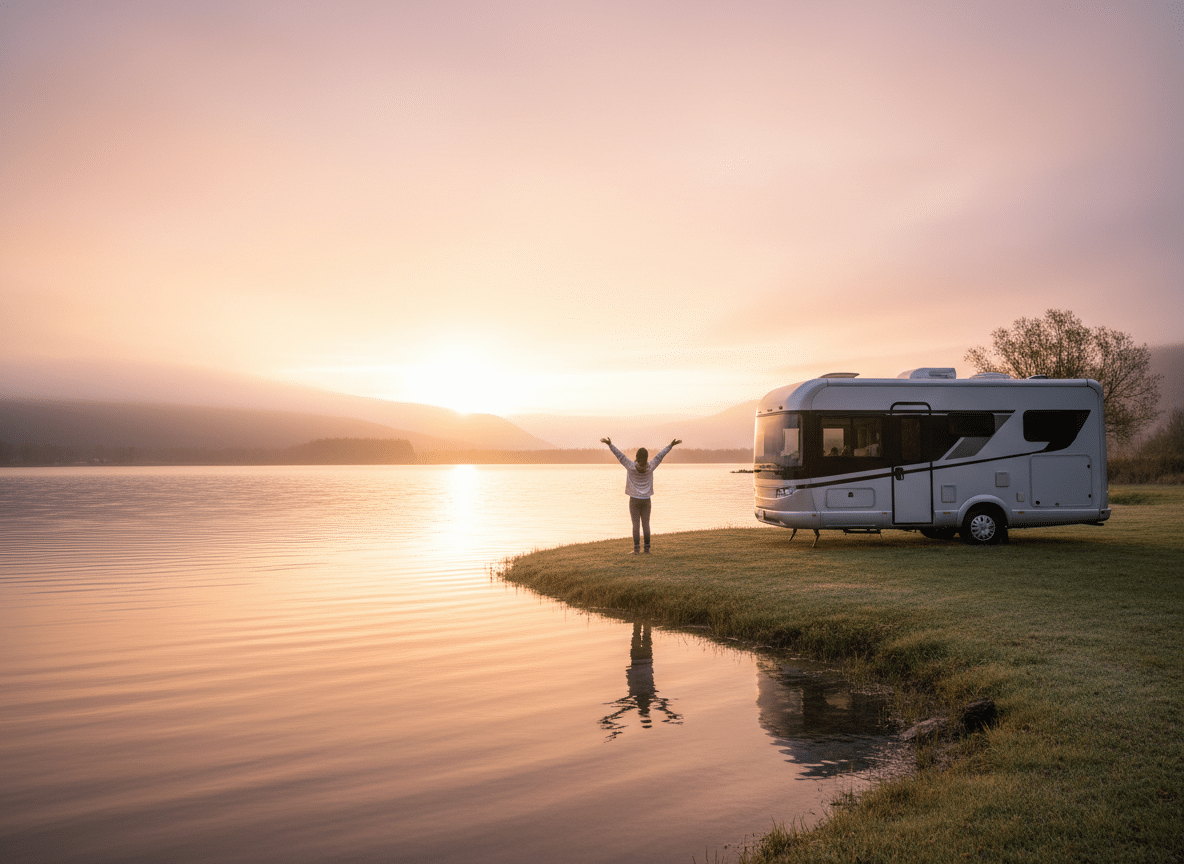
It is about waking up beside a mountain lake, watching the sunrise over a quiet desert, or sharing stories with fellow travelers around a campground campfire.
Yes, there are costs involved, just like any way of living. But the freedom to explore new places, meet new people, and experience the beauty of North America at your own pace is something many RVers find priceless.
If you have been dreaming about the RV lifestyle, start planning, start learning, and take the first step toward making that dream a reality.
Be sure to explore these resources and continue learning, traveling, connecting, and growing with us.
Happy Trails!

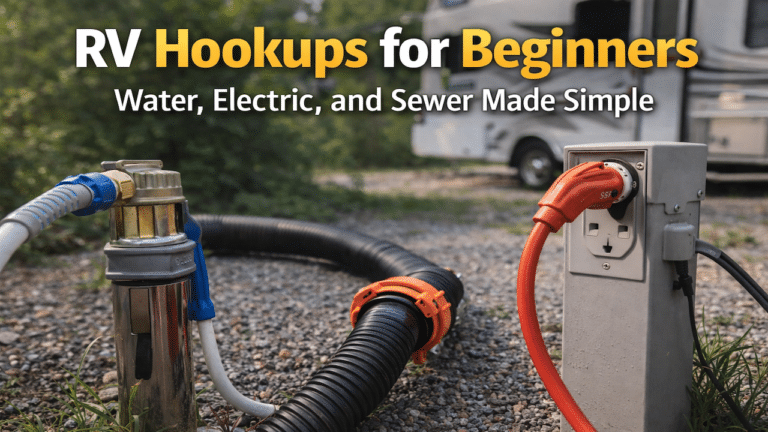






TL;DR: RVing without hookups can have many hidden costs (both financial and lifestyle related) that aren’t apparent to people getting started.
While boondocking and using low cost campgrounds without electrical hookups can save on campground fees, live a very spartan life or one must have a rig capable of doing that. Which means having a generator, or large solar capacity, or large battery capacity, or some combination of all of these. My Travato camper van has 100ah of usable AGM batteries, 300 watts of solar (enough to keep my batteries charged on a sunny day) , and a noisy generator. Without electrical hookup, we can only run our AC with the generator also running (talk about noisy!). This setup effectively limits us to campgrounds with at least electrical hookups. Upgrading to 600ah of lithium while keeping the generator is a good combination, but would cost $6500 or so (including upgraded inverter, professionally installed) and would only run the AC for around 5 hrs. We would probably need more solar too. That amount of money pays for the incremental cost of staying a lot of nights at campgrounds with hookups.
Also note that at least in the eastern US, many state campgrounds are charging out-of-staters much more than in-staters… often equaling the cost of commercial campgrounds with hookups.