
Over 50? How to Plan an RV Route That Doesn’t Feel Rushed
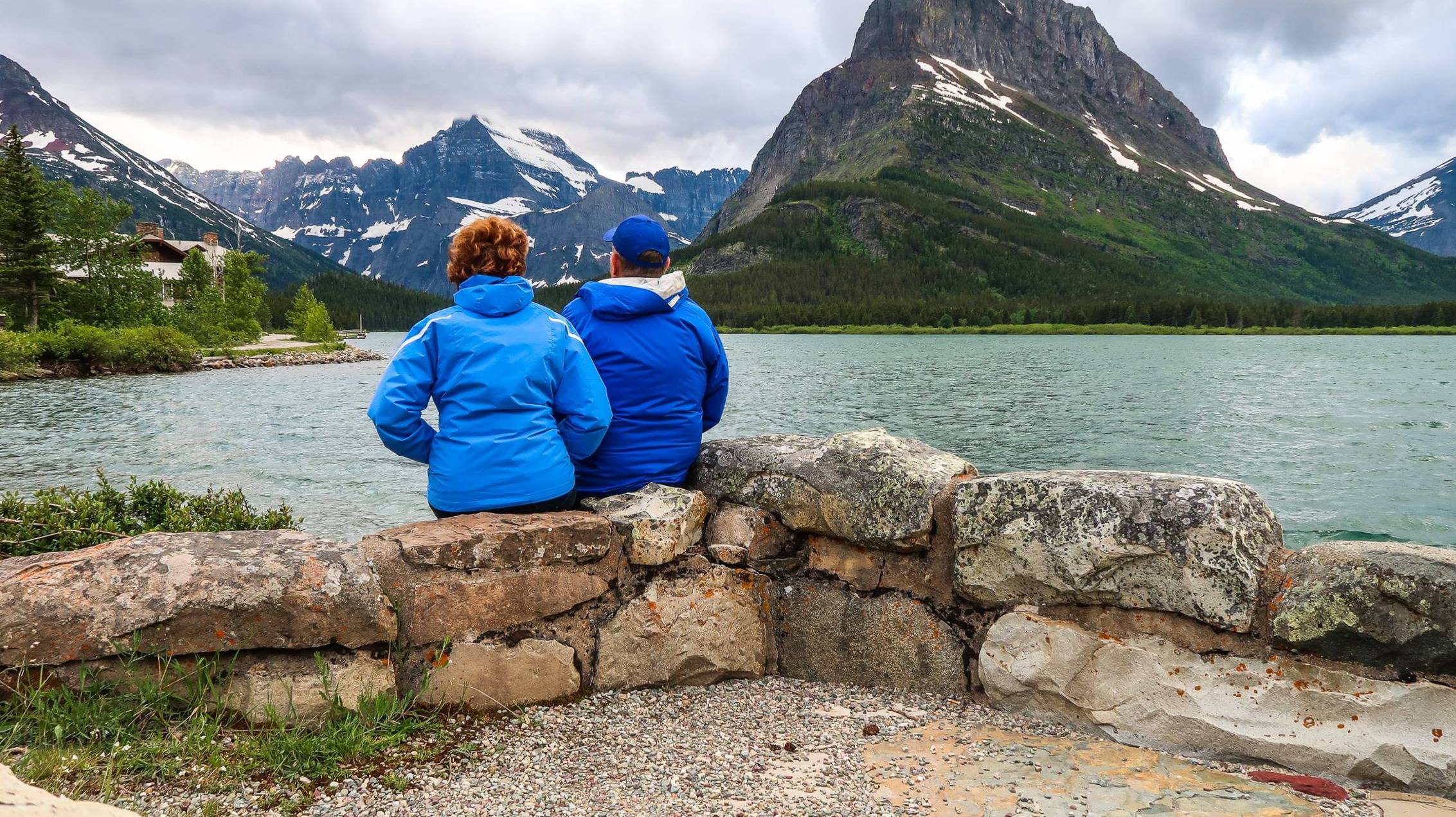
We've learned the hard way that cramming too much into an RV trip is like trying to stuff a sleeping bag back into its tiny sack after a long camping weekend – technically possible, but nobody's having fun.
After years of making rookie mistakes (and a few spectacular navigation fails that we'll probably never live down), we've figured out the secret to planning RV routes that actually let you enjoy the journey instead of white-knuckling it from point A to point B.
Let's start with our favorite trip planning tools.
Our Go-To Tech Stack (Because the Right Tools Matter)
Okay, let's talk about the apps and gear that have seriously upgraded our trip planning game. First up is RV Trip Wizard – this is hands down our favorite planning app. It's specifically designed for RVers, so it knows about low bridges, weight restrictions, and all those fun surprises that regular GPS systems love to spring on you. We spend hours on this thing plotting routes, and it's honestly become part of our pre-trip ritual.
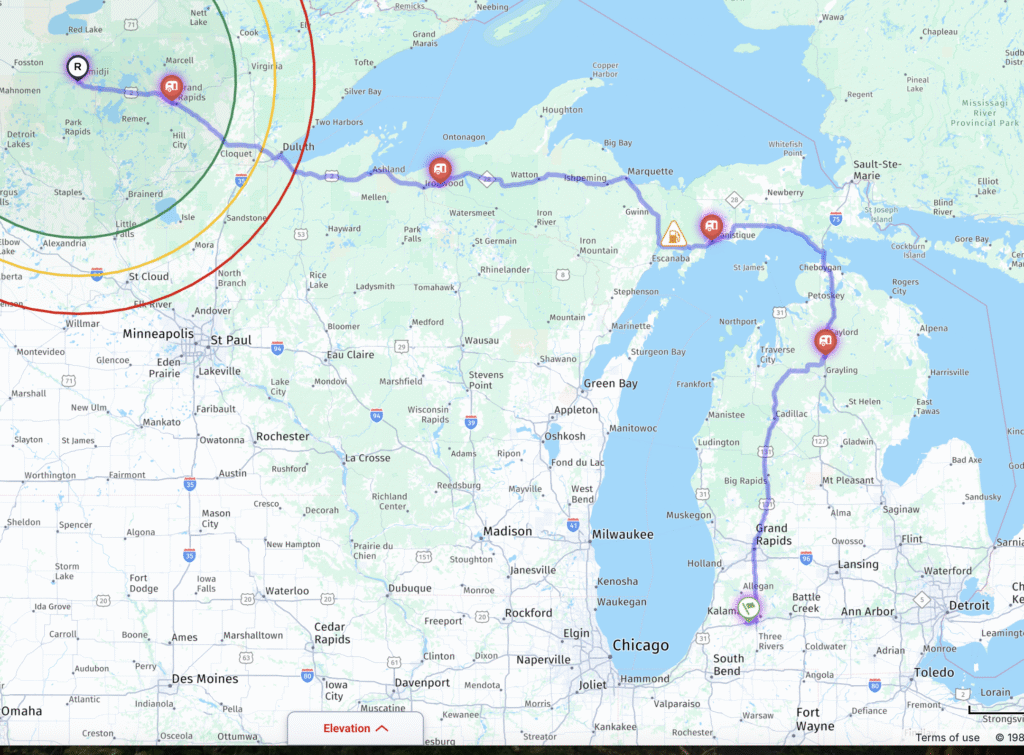
Above is an image of the route we planned with RV Trip Wizard for a big trip we're taking later this month. It's 885 miles to our final Minnesota destination, but we wanted to take our time (keep reading, and we'll explain some tips on using it and why we have four overnight stops to cover those 885 miles).
While RV Trip Wizard does the heavy lifting, we also like to use a real-time GPS app through Apple CarPlay in our truck.
For real-time traffic and road conditions, we're total Waze converts. Sure, it might try to send you down some interesting back roads sometimes, but it's saved us from sitting in construction traffic more times than we can count. Just remember to double-check those route suggestions against your RV's specs!
And here's something old-school that we swear by – we ordered a big print road atlas from Amazon, and it lives permanently in our cab. Yes, even in 2025! There's something reassuring about having that physical backup, plus it's way easier on the eyes when you're trying to get the big picture of your route. Jen loves spreading it out on the dinette and tracing our planned path with her finger.
The Great Rushed Trip Disaster of 2018
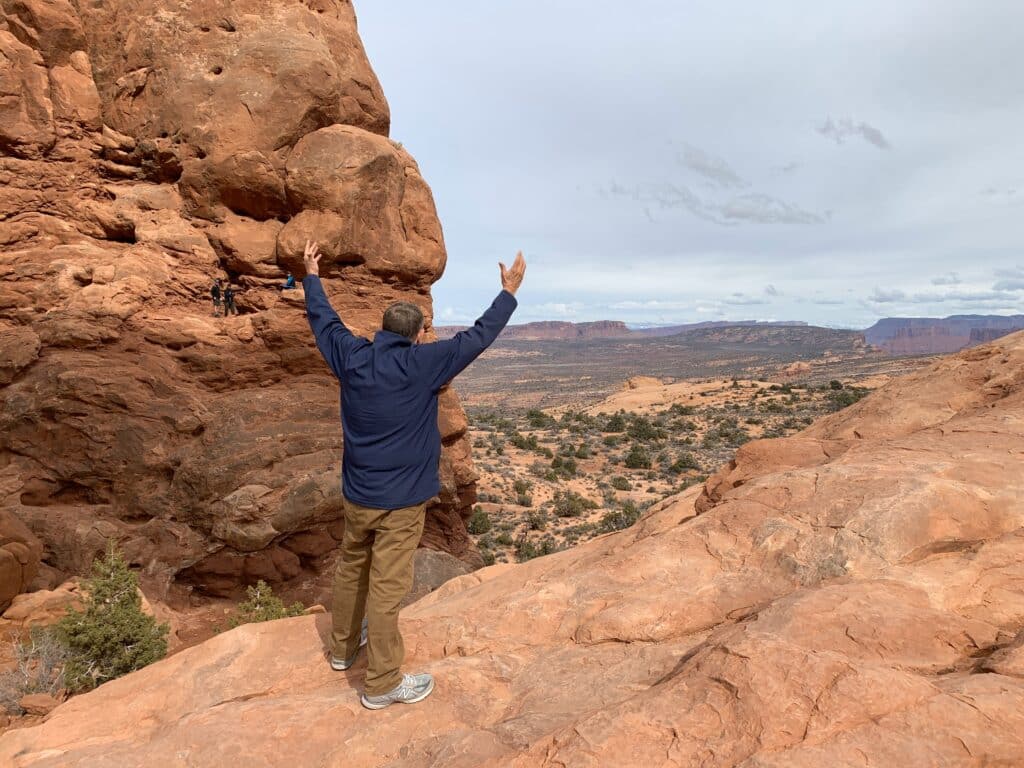
Let me tell you about the trip that taught us everything we know about what NOT to do. We had two weeks free and decided we were going to see the Grand Canyon, Zion, Arches, Rocky Mountain National Park, and Yellowstone. On paper, it certainly looked doable.
In reality? We spent more time driving than exploring. Mike was cranky from being behind the wheel for eight hours a day, and Jen was stress-eating gas station snacks because we never had time for proper meals.
The breaking point came when we rushed through Arches in four hours – FOUR HOURS! – just so we could make it to our next reservation. We barely saw Delicate Arch, let alone enjoyed it. By the time we limped home, we were more exhausted than when we'd left. That's when we realized we'd been doing RV travel all wrong.
Start with the “Why,” Not the “Where”
Before we even crack open our atlas or fire up the GPS, Jen and I always sit down with our computer and talk about what we're really after. Are we trying to escape the chaos of everyday life? Chase some epic sunsets? Finally visit that quirky roadside attraction we've been laughing about for years?

Once we nail down our “why,” the “where” becomes so much clearer. And here's the thing – sometimes our best trips have been the ones where we picked just two or three must-see spots instead of trying to hit every single attraction within a 500-mile radius.
The Magic Number: 330 Miles or Less
This is our golden rule, and it's saved our sanity more times than we can count. We never plan to drive more than 330 miles in a single day, and honestly, we're happiest when we keep it under 200.
Think about it – driving an RV isn't like zipping around in your car. You're dealing with wider turns, slower acceleration, and the constant mental math of “will this bridge clear our roof?” Plus, there's always that one construction zone that turns a three-hour drive into a five-hour adventure.
By keeping our daily distances reasonable, we actually have time to stop at that farm stand selling the world's best peaches, or pull over when Jen spots a photo-worthy barn that's been weathered to perfection.
Now, head up above and look at the map of our route to Minnesota that we'll be following in a few weeks. We used RV Trip Wizard to find campgrounds along the route. We then read reviews on the ones that caught our eye, checked out their websites, and made reservations. The total route from our home in Southwest Michigan to our destination near Bemidji, MN is 885 miles.
We gave ourselves five days to get there with stops at 228 miles for Day 1, 165 miles for Day 2, 223 miles for Day 3, and 204 miles for Day 4. Our Day 5 drive to our destination is just 65 miles.
Easy does it. No single day's drive is much longer than 4 hours.
The Magic Time to Stop: By 3:30 PM
There's a second part to our 330-mile rule. If we got a late start and driving 330 miles will take us till late in the day, we substitute 3:30 PM for the stop time instead of 330 miles. I know, I know – it sounds arbitrary, but stick with us on this one.

And remember, 3:30 PM or 330 miles is the maximum time and distance. Shorter miles and an earlier quitting time are better.
First off, there's something magical about pulling into a campground while the sun is still high in the sky. You can actually see what you're doing when you're backing into that site and setting up camp. Plus, arriving early means you get first pick of sites if you're staying somewhere without reservations, and you can scope out the best spots for morning coffee or evening relaxation.
But the real benefit is psychological. When you roll in by 3:30, you're not rushed, you're not stressed about making it before the office closes, and you actually have time to enjoy the place you've traveled to see. We can set up camp at a leisurely pace, maybe take a walk around the campground, explore the local area a bit, and still have time for a proper dinner and maybe even a campfire.
Compare that to those awful days when we'd pull in at 8 PM, frantically set up in the gathering darkness, grab something quick from the camp store, and collapse into bed feeling like we'd missed the whole point of being there. The 330 rule gives you back your evenings – and honestly, those campground sunsets are half the reason we do this in the first place.
The Joy of Two-Lane Living
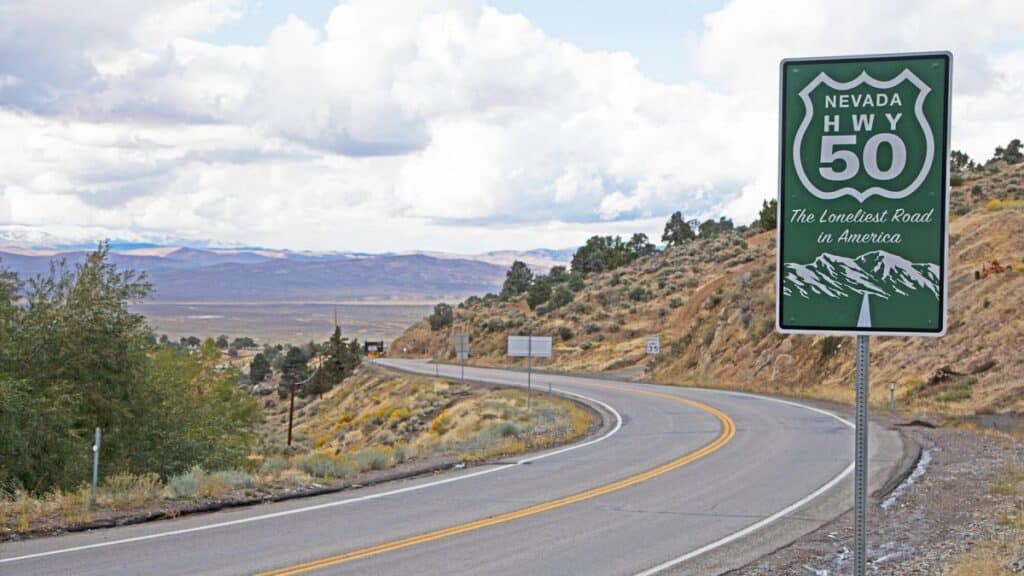
Here's something we discovered completely by accident – some of our most memorable travel days have been on those meandering two-lane highways that GPS systems try so hard to avoid. Sure, you might add an hour to your drive time, but you'll also discover hole-in-the-wall diners, roadside fruit stands, and tiny towns that time forgot.
A few years back, we took Highway 50 across Nevada (they call it “America's Loneliest Road,” but we found it anything but lonely, as you can see above). We stopped in tiny Austin, Nevada, population 192, and ended up chatting with locals at the general store for two hours. They told us about hidden hot springs and gave us directions to a free camping spot that wasn't on any app. That detour became the highlight of our entire trip.
Two-lane roads also force you to slow down – literally and figuratively. You can't rush when you're following a farm truck hauling hay at 35 mph, and honestly, that's a gift. It gives you time to actually see the landscape changing around you instead of just blowing past it at 75 mph on the interstate.
Setting RV Trip Wizard to Avoid Interstates:
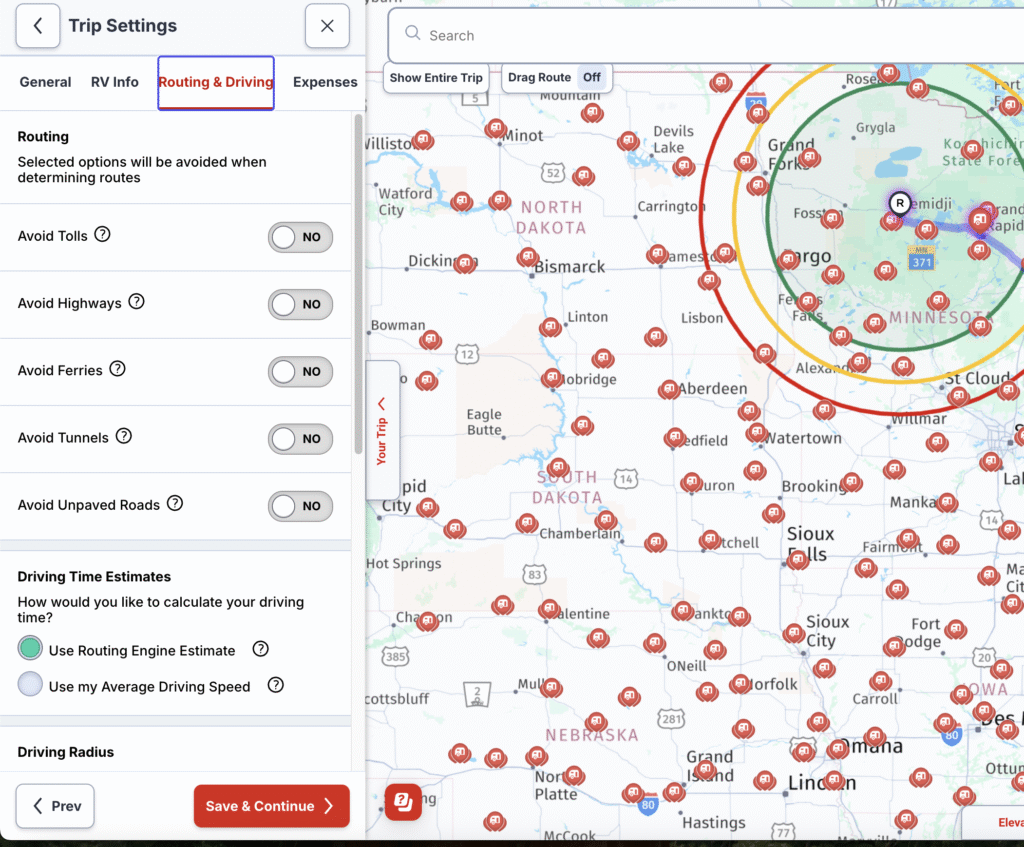
One of our favorite features of RV Trip Wizard is its flexibility in route preferences. Look at the map above. See on the right side? (You get to that through Trip Tools/Trip Settings.) When you're planning your route, you can set the app to “avoid highways,” thus steering you toward those scenic two-lane roads we love so much.
NOTE: That's a little confusing because many two-lane roads are state highways, and you don't want to avoid them. But RV Trip Wizard defines “highways” in this case as controlled access roads, like interstates. So if you toggle that on, you prioritize smaller roads over the interstates.
The beauty of this feature is that it works hand-in-hand with the RV-specific safety features, so you're not just avoiding interstates, you're avoiding them while still staying on roads that are safe and appropriate for your rig's dimensions. This means you get the best of both worlds: scenic back-road travel without the stress of wondering if you'll encounter a surprise low bridge or weight restriction.
How RV Trip Wizard Protects You from Low Bridges:
When you first set up RV Trip Wizard, it asks you to input your RV's specifications – and this is where the magic happens. You'll enter your rig's height, width, length, and weight. The app then uses this information to automatically screen out routes with clearance issues, cross-referencing your route against a database of bridge heights, weight limits, and road restrictions.
Pro Tip: Always add a few inches to your actual height measurement as a safety buffer. Better to take a slightly longer route than to find out your measurement was off by discovering a bridge the expensive way!
How to set Waze to Avoid Interstates
Waze also lets you select routes that keep you off the interstates. Here's how:
- Under settings, there is an area called “Driving Preferences,” and under it, there is a toggle for avoiding freeways.
- We also suggest you toggle on the “avoid unpaved roads” toggle in the same section.
- Here you will find toggles for toll roads, ferries, and difficult intersections.
Pro Tip: Waze doesn't have low bridge information, so remember to double-check any route suggestions against your RV's height and weight restrictions, especially on those smaller roads! We also recommend stand-alone GPS units like the Garmin RV 795, which has a built-in databases showing these restrictions.
Build in Buffer Days (Trust Us on This)

We used to plan every single day of our trips, thinking we were being super organized. Wrong! Now we intentionally leave gaps in our schedule, and it's been a game-changer.
Buffer days let you stay an extra night somewhere amazing, deal with unexpected weather, or just catch your breath. On our last trip West, we fell in love with a little lakeside campground in the Lolo National Forest in Montana and ended up staying three extra days just because we could. Those unplanned moments often become our favorite memories.
Ditch the Drive-Thru, Embrace the Local Flavor

One of our biggest regrets from those early rushed trips was living on fast food and chain restaurants. We were so focused on making miles that we'd grab whatever was quick and familiar. What a mistake! Now we make it a point to seek out local diners, family-owned cafes, and those places where the locals actually eat.
There's Lambert's Cafe in Sikeston, MO, “Home of the Throwed Rolls.” Lambert’s is a unique American culinary icon, founded in 1942 and known far and wide for its hot “Throwed Rolls.”
Yup. You heard right. Throwed rolls. Like you see in the video we did years ago of our visit:
Gloved servers toss 'em at you. Raise your hand and there will be a “throwed roll” in it. Gigantic, baked-from-scratch, five inches in diameter, fluffy, hot, and ready for drizzled honey, butter, molasses, or sorghum. There's also lots of awesome country cooking. You can't get experiences like that at McDonald's.
Pro tip: Ask your campground hosts where they eat. They know all the hidden gems, and they're usually excited to share their favorites with fellow travelers.
Research, But Don't Over-Research
Jen's the planner in our relationship (okay, she's basically a trip-planning wizard), but even she's learned that you can research yourself into paralysis. We hit the sweet spot by identifying our must-dos, finding a few backup options, and then leaving room for spontaneity.
We always check campground reviews, road conditions, and seasonal closures – nobody wants to show up at a campground that's been closed for renovations for three months. But we've also discovered some of our favorite spots by simply asking other RVers, “Hey, what's good around here?”
Think Seasonally and Realistically
This might seem obvious, but planning a route through the Rockies in February or trying to snag a last-minute spot in Yellowstone during peak season is setting yourself up for stress. We've learned to embrace shoulder seasons – fewer crowds, better weather for driving, and campground hosts who actually have time to chat.
Also, be honest about your RV's limitations and your own comfort level. If you're new to RVing, maybe save the mountain passes for your second or third trip. There's no shame in sticking to easier routes while you build confidence.
The Community We Didn’t Know We Needed
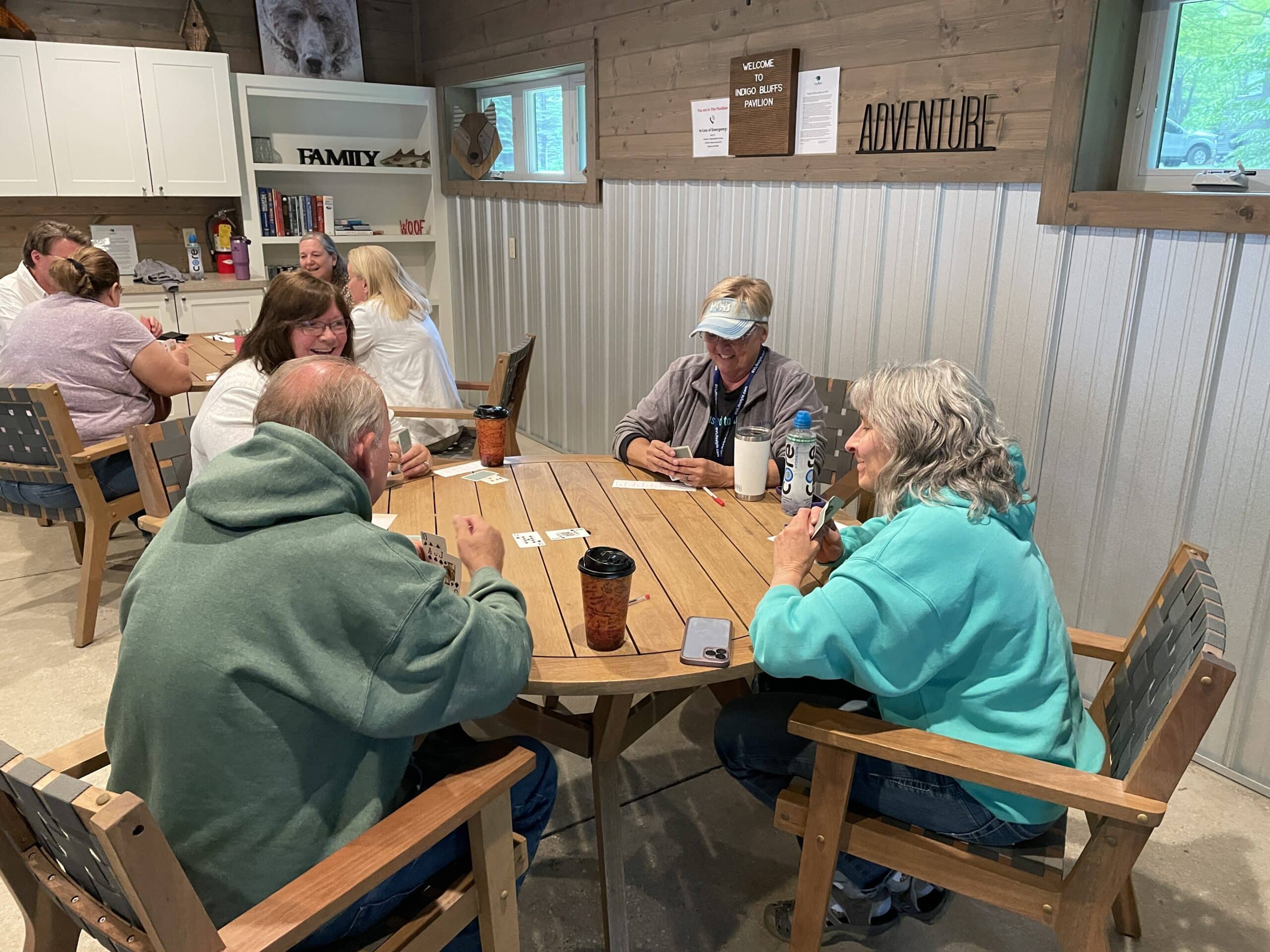
Here’s something we wish we’d understood when we first hit the road: the RV community isn’t just helpful — it’s transformative. Especially for those of us over 50, stepping into this lifestyle often comes with big changes: kids are grown, careers are winding down, and for the first time in a long time… the road ahead is yours to choose.
That’s exactly why we started the RV Lifestyle Community. Not because we needed another forum or place to talk gear (though there's plenty of that) — but because we craved connection. Real, meaningful connection with people who are embracing this next chapter with the same mix of excitement, curiosity, and sometimes even a little fear.
Inside this ad-free, members-only online community, you’ll find advice, sure — but you’ll also find friends. People who’ll share the best scenic byways, a favorite one-pan recipe, or just be there when your travel plans go sideways. Because let’s face it — some of the best stories come from the unexpected.
If this season of life feels like it’s calling for more… more connection, more freedom, more you — you're not alone. And once you find your people, you’ll wonder how you ever RVed without them. To learn more and see if this fits you, go to Community.RVLifestyle.com
The Real Secret: It's Not About the Destination
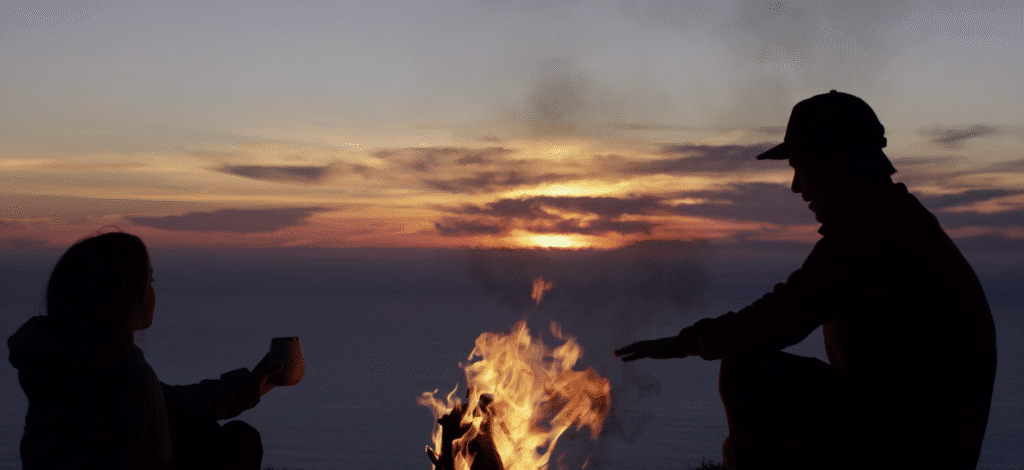
Here's what we've learned after countless miles and even more campfire conversations with fellow travelers – the best RV trips aren't about checking boxes or seeing everything. They're about those moments when you're sitting outside your rig at sunset, taking in the peacefulness of the moment, feeling like you've got nowhere else you need to be.
So take it slow, leave room for the unexpected, and remember that sometimes the best route is the one that gives you permission to just… breathe. The destinations will still be there tomorrow, but these moments of peace and adventure? Those are happening right now.





We are learning RVTrip Wizard and are so glad they have merged with Harvest Host. It has been life changing for us!