
Is the RV Lifestyle Safe? (Part 2)
Living the RV lifestyle offers a mix of freedom, adventure, and the comforts of home on the road. But it’s natural to wonder, “Is this nomadic way of living safe?” Safety is one of those questions that pop up early when you think about turning your wheels into your new address.
For Jennifer and me, questions about the safety of the RV Lifestyle come in to us weekly. Whether it’s the unpredictability of the road or the cozy but compact nature of RVs, there’s plenty to consider. Let’s take a very comprehensive walk through what makes life on wheels secure and what bits might require a little extra care.
We're going to do this in detail over the next several blog posts because – thanks to a lot of sensationalistic fear mongering on the Internet and a regular dose of “SCARY” RV crime thumbnails by content creators looking to get more clicks, misinformation is causing some to giveup on the dreams because they've been so bombarded by the negativty that they think it is too dangerous to do.
NOTE: This series arises in response to an email we received from a couple of folks who had long dreamed of going full-time and exploring the US in an RV but, after seeing so many negative stories, were now wondering if it was just too dangerous. As we said in Episode 549 of the podcast that kicked off this series, words have consequences. So we want to lay out, factually and objectively, an answer to the question.
Key Takeaways
- The RV Lifestyle is one of the safest things you can do.
- Crime involving RVers, on the road or at a campground, is rare.
- The RV lifestyle encompasses many safety measures similar to those in traditional living, but also presents unique challenges.
- Proper maintenance and pre-trip checks are essential for safe travels.
- Campground security and situational awareness help protect personal safety while parked.
- Driving skills and awareness are critical given the size and handling of an RV.
- Planning routes and emergency preparedness drastically improve safety on the road.
Overview of RV Safety Considerations
Before diving into specifics, it helps to frame what safety means when living the RV lifestyle. It’s not just crime, but it is also about avoiding accidents. It also covers health, security, and being prepared for unexpected events. You might think safety is mostly about avoiding bad guys, but in reality, it extends from mechanical care to making smart choices about where you park overnight.
RV life blends travel with home life, creating a unique safety mix. So, understanding these different components helps you feel confident whether you’re rolling down a highway or settling in a campground for the night.
Mechanical Safety and Maintenance
Just like your car, your RV depends on regular maintenance to keep everything running smoothly and safely. Routine checks on brakes, tires, engine fluids, and electrical systems aren’t just box-checking tasks—they’re peace of mind in motion. Imagine being miles from help and realizing a simple tire issue was overlooked.
By sticking to a maintenance schedule tailored to your RV’s specific type and age, you reduce the risk of breakdowns that could leave you stranded or worse, cause accidents. Knowing the basics yourself, or having a trusted shop on call, means you’re always ready for what the road throws at you.
Safe Driving Practices for RVs
Driving an RV takes a bit of practice and respect for its size and limitations. Unlike a sedan, RVs can be longer, heavier, and less nimble, posing challenges especially in tight spots or bad weather. Learning to take wider turns, brake early, and manage blind spots are key steps to driving safely.
Plus, staying alert and avoiding distractions is crucial—you’re operating a mini home on wheels, after all. Many RVers find that slowing down a bit and planning routes that avoid tricky road conditions helps reduce stress and increases safety.
Security at Campgrounds and Stops
Here's where we get to the nitty gritty.
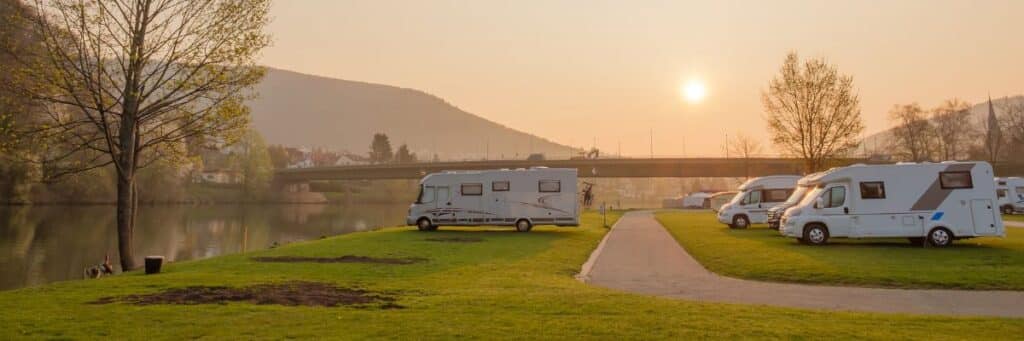
When you park your RV for rest or overnight stays, your safety depends on choosing secure locations and staying aware. Campgrounds vary widely, from well-patrolled RV resorts with gated access to rustic spots where you’re more on your own.
Using campgrounds with positive reviews, good lighting, and people-oriented amenities can make a big difference. Also, keeping doors locked, being mindful of your surroundings, and using alarms or security cameras if possible, gives you added layers of peace of mind. Remember, safety isn’t just about locks but also about trusting your instincts. We'll have much more to say about this, especially campground crime, in future installments of this series.
Health and Wellness on the Road
Living in an RV means adapting your health routine to changing environments and limited space. Maintaining a balanced lifestyle with good sleep, nutrition, and hydration supports your overall safety because being tired or sick can impair your judgment on the road.
Regularly cleaning your living space and managing water and waste systems properly reduces health risks. It’s also wise to have a first aid kit that’s well-stocked and easy to access, along with knowledge of nearby medical facilities along your route. Taking these steps helps you feel cared for every mile of your journey.
Emergency Preparedness
Even with the smoothest trips, a little preparedness for unexpected situations goes a long way. Having a clear plan for vehicle breakdowns, severe weather, or medical emergencies helps reduce stress and speeds up response times. This might mean carrying extra supplies, a roadside assistance membership, or sharing your itinerary with friends or family.
Technology can help here too—GPS trackers, weather alerts, and mobile communication devices can keep you connected and informed. Preparedness isn’t about fear; it’s about confidence to face the unpredictable with calm and control.

Mechanical Safety and Maintenance
Being on the road means trusting your vehicle to perform without hiccups, so this area gets a lot of attention for good reason. Your RV is a complex machine, often combining the features of cars, trucks, and homes. Because of this, routine checks are not just about the engine but also plumbing, electrical systems, and even propane tanks. Neglecting any of these can cause safety hazards like fires, leaks, or breakdowns.
For example, tires are especially crucial—they bear the entire weight of your home from place to place, so checking pressure, tread depth, and age matters greatly. You may find it helpful to keep a maintenance log and learn to do visual or manual inspections regularly.
Another important aspect is winterizing your RV and dealing with seasonal changes. Cold weather can affect batteries, water lines, and seals, potentially causing damage or malfunctioning equipment. Contrastingly, hot climates may stress cooling systems and batteries.
Paying attention to these details ahead of time reduces surprises. When problems do arise, don’t hesitate to get professional repairs, as delaying can escalate safety risks. In essence, your RV’s safety starts with the care you give it before and during your adventure.
Pre-Trip Inspections
Before every outing, a thorough walk-around check is a lifesaver. This ritual includes confirming nothing hazardous like loose cargo, worn belts, or fluid leaks is present. Checking lights, brakes, mirrors, and turn signals contributes to safer driving and better communication with others on the road.
For motorhomes or towable trailers, verifying hitch connections and sway control devices adds extra security. This step might feel tedious at first, but it becomes second nature and saves headaches later. If you carry an emergency toolkit specifically for minor fixes, your confidence increases when small issues crop up. The simple act of pre-trip inspections can make your journey much safer and more enjoyable.
Driving Safety and Road Awareness
Navigating highways and backroads in an RV differs considerably from driving a personal car. The larger size means braking distances increase, and changing lanes isn’t as swift. You’ll want to plan ahead, allowing more time between you and other vehicles. Comfort with your vehicle’s dimensions also comes from practice, whether that’s parking in tight spaces or backing into a campsite.
Some RVers choose to take specialized driving courses to gain confidence and skills, which can be incredibly helpful. Overall, patience and attentiveness are your best tools behind the wheel.

Handling Different Road Conditions
Roads are rarely uniform, and an RV driver faces challenges from narrow rural lanes to busy interstate highways. Weather like rain, wind, or snow can impact your control more than when driving a smaller vehicle. Learning to adjust your speed, increase following distance, and drive defensively in these conditions keeps you and others safer.
For instance, high winds can cause sway, so knowing how to stabilize your rig is a useful skill. Planning routes to avoid difficult terrain or hazardous weather warnings also reduces risks. Always check weather and traffic updates before setting off to be prepared for what lies ahead.
Driving with Passengers and Pets
Safety expands beyond the driver and includes everyone onboard, whether family, friends, or pets. Making sure all passengers wear seat belts where available and pets are properly restrained contributes to overall security. Using pet carriers or seat belts specific to animals prevents injuries from sudden stops.
When traveling with others, clear communication about safe practices while driving goes a long way to prevent distractions and accidents. Understanding the limits of your RV’s weight capacity also helps keep things balanced, promoting better handling. Everyone’s contribution to safety inside the RV makes a journey more comfortable for all.
Campground Security and Personal Safety
Where you choose to stop plays a huge role in how safe you feel at the end of the day. Campgrounds differ vastly in terms of security features, amenities, and community vibe. Opting for highly rated locations can offer secure surroundings with amenities like lighting, patrols, and other travelers who contribute to a friendly atmosphere.
It’s smart to research campgrounds ahead of time and read recent reviews to get a realistic picture of safety conditions. Some RVers prefer membership clubs or resorts that offer an added layer of security and peace of mind.

Common Security Practices While Parked
Taking simple precautions once parked helps reduce risks. Locking all doors and windows may seem obvious, but can’t be overstated. Using door alarms, securing valuables out of sight, and communicating your whereabouts with trusted contacts add personal layers of protection.
Some travelers use motion-activated lights or portable cameras that help monitor their RV while they’re inside or away. It’s always a balance between enjoying your freedom and maintaining vigilance. Remember, safety measures become easier habits after a little practice and awareness.
Dealing with Remote or Isolated Locations
For many, the draw of RV living includes secluded places where crowds are sparse or nonexistent. While the tranquility is appealing, remote spots come with their own safety considerations. Limited cellphone coverage, fewer neighbors, and longer emergency response times can feel daunting. Being well-prepared with extra supplies, clear emergency plans, and reliable communication tools, like working phones or radios, makes a difference.
Trusting your instincts about a location and having quick escape plans adds another level of security. In these quieter retreats, safety is built on preparation and respect for the environment.

Health, Wellness, and Emergency Preparedness
Maintaining your well-being in an RV means adapting routines to life on the move while staying alert to health challenges that pop up unexpectedly. Sleep schedules may change with travel plans, and access to fresh food or fitness options sometimes requires creativity. Prioritizing rest, nutrition, and mental health contributes directly to your overall safety, as fatigue or stress can impair decision-making on the road.
In addition, recognizing the limits of your space and equipment allows you to plan healthier habits effectively, like meal prep or exercise breaks at stops. Keeping first aid supplies stocked and easily accessible is a foundational safety practice.
Creating an Emergency Plan
Having a clear emergency plan is like a comfy safety net. This includes knowing who to contact in medical or vehicle emergencies, planning alternate routes, and preparing for weather events. Sharing your itinerary with friends or family adds a layer of care beyond your immediate circle.
A checklist that includes important documents, medications, and emergency contacts pre-packed in an easy-to-find location is a huge help. Many RVers find value in emergency drills or walking through “what if” scenarios to build confidence. Preparedness shines brightest when it’s consistent and thought out before trouble arises.
Technology and Tools That Boost Safety
Technology offers some handy aids to keep you safe, whether on the road or parked. GPS devices tailored for RV routing help avoid low bridges or tight turns best left alone. Real-time weather apps keep you informed about sudden changes, and vehicle monitoring systems alert you to engine or tire issues early. Emergency beacon devices or personal alarm systems come in handy in areas with weak cellular service.
Many RV owners invest in dash cams or security cameras to capture any unexpected events. These tools add a reassuring layer of protection so you can spend more time enjoying your surroundings and less time worrying.
Understanding Local Laws and Overnight Parking
One safety aspect sometimes overlooked is local regulations about where and how long you can park, camp, or stay overnight. Many cities have rules to limit street parking of RVs or restrict certain activities in public areas. Violating these can lead to fines, towing, or uncomfortable confrontations. Learning campground policies and respecting signage ensures you avoid legal trouble.
In addition, some states or regions require waste disposal to meet environmental standards. Adhering to these laws fosters a respectful relationship with communities and contributes to safer, more sustainable RV living.
Conclusion
The RV lifestyle brings a wonderful blend of adventure and comfort, with safety woven into every step of the journey. By staying attentive to mechanical upkeep, honing driving skills, prioritizing personal and campsite security, and preparing for emergencies, you build a solid foundation for worry-free travels.
Now that you've made it through this overview, come back for the next installment, where we will drill down to discuss crime and the RV lifestyle in depth.


